
All You Need to Know About the 2026 Strawberry Moon, June’s Dreamy Full Moon
All You Need to Know About the 2026 Strawberry Moon, June’s Dreamy Full Moon
Back in 1967, John Lennon gifted the world a whimsical, escapist masterpiece through The Beatles’ iconic hit “Strawberry Fields Forever.” Built from Lennon’s own childhood memories, the track explores enduring themes of identity and belonging. This June, the night sky is delivering its own fanciful creation of the same name: the Strawberry Moon. The moon will appear full for the next three days—including tonight—offering people across the globe a shared moment of quiet calm.
June’s full moon hits its peak illumination at 7:56 p.m. ET on Monday, June 29, and we’ve rounded up every key detail you need to appreciate this celestial event.
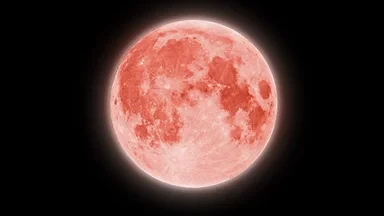
Contrary to popular assumption, the Strawberry Moon gets its name from Native American naming traditions, not any distinct pink or red hue of the orb itself. Historically, wild strawberries across most of North America ripened right around the arrival of June’s full moon, so the connection felt natural. Many Indigenous nations, including the Algonquin, Ojibwe, Dakota, Lakota, Chippewa, Oneida, and Sioux, adopted the descriptive name centuries ago. When The Old Farmer’s Almanac began widely publishing the moniker, it cemented the name’s popularity for all future generations. June’s full moon also goes by several other traditional names: the Rose Moon, Blackberry Moon, and Hot Moon.
For 2026, this Strawberry Moon holds a special celestial distinction: it is the first full moon to occur after the June summer solstice. This unique timing alters the moon’s trajectory across the night sky, resulting in an unusually low, short arc. Because the sun sits at its highest point of the year near the solstice while the moon remains low, the moon’s light travels through more of Earth’s atmosphere before reaching our eyes. This atmospheric effect gives the orb a noticeably softer, amber tint.