
Eligibility is based on BMI and other qualifying health conditions
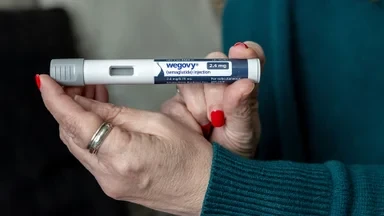
Beginning Wednesday, the U.S. federal government is launching a new temporary pilot program called the Medicare GLP-1 Bridge, which will offer select brand-name GLP-1 weight loss medications to qualifying Medicare and Medicare Advantage beneficiaries for a flat $50 per month. Running through the end of 2027, this initiative marks the first time most older adults will have access to insurance-covered GLP-1s (short for glucagon-like peptide-1 receptor agonists) when the drugs are prescribed strictly for weight loss. However, the program comes with strict weight and health eligibility rules, and anyone who already has insurance coverage for GLP-1s to treat preexisting conditions like diabetes or sleep apnea does not qualify.
Dr. Mehmet Oz, administrator of the Centers for Medicare & Medicaid Services (CMS), noted that the program will not only deliver immediate help to cost-burdened older Americans, but also allow the agency to gather real-world data that could inform permanent, long-term GLP-1 coverage for weight loss under Medicare in the future. “The sheer cost of these medications is a huge barrier to access,” he shared during a press call with reporters. “That ends today.”
Eligibility is based on BMI and other qualifying health conditions
Of the more than 70 million Americans enrolled in Medicare, at least 10 million are classified as overweight or living with obesity, according to Juliette Cubanski, vice president and director of Medicare policy at KFF, a nonpartisan health care research nonprofit. Even so, Cubanski notes that only a smaller subset of that group will meet the requirements to access this new program.
To qualify, applicants must first have existing Medicare drug coverage. Next, they must meet one of two BMI thresholds: a body mass index of 35 or higher, or a BMI of 27 or higher paired with at least one additional qualifying health condition (examples include a prior heart attack, stroke, or prediabetes, with the full list posted on the CMS official website).
Medicare enrollees who already have diagnoses of sleep apnea, diabetes, or fatty liver disease cannot participate in this program, though their existing Medicare Part D plans may already cover GLP-1s separately for treatment of those underlying conditions. CMS guidance notes that anyone who thinks they may qualify should first reach out to their primary health care provider. The provider is required to submit a prescription for an approved GLP-1 drug to a participating pharmacy and complete a required prior authorization form to enroll a patient in the program.
Only specific brand-name GLP-1s are included in the program
The list of covered medications includes Eli Lilly’s oral Foundayo and Zepbound KwikPens, plus Novo Nordisk’s injectable and oral formulations of Wegovy. For all participants, the cost is locked in at $50 per month regardless of the dosage a patient is prescribed. It is important to note that these monthly payments do not count toward a patient’s insurance deductibles or annual out-of-pocket maximums.
Longer-term Medicare coverage of GLP-1s for weight loss remains uncertain
The Medicare GLP-1 Bridge program is currently scheduled to sunset after December 31, 2027. There are two potential paths for continued coverage after the pilot ends: Congress could pass new legislation to add permanent GLP-1 weight loss coverage to Medicare benefits, or CMS could move forward with a separate, permanent pilot program called BALANCE that would cover the medications.
GLP-1s have skyrocketed in popularity in recent years, as the drugs have been shown to produce dramatic, sustained weight loss for many patients. But their high price tag—often hundreds of dollars per month for higher dosages—has kept them inaccessible to millions of people who could benefit from them.
For 78-year-old California resident Gloria Dralla, the new Bridge program means she can continue accessing a treatment that has already drastically improved her quality of life. But not all older adults will get access to these drugs at an affordable price through the initiative. Seventy-one-year-old Katie Smith of Virginia says she remains unsure if she will meet the program’s strict eligibility requirements.
—Ali Swenson, Associated Press