
Comcast continues to unwind one of the most earth-shattering media mergers in history
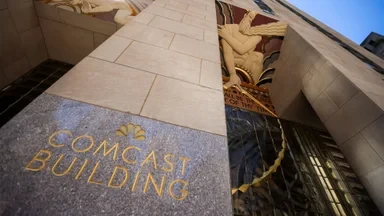
This deal effectively unwinds one of the most transformative yet controversial business combinations in modern media history. When Comcast closed its merger with NBCUniversal in 2011, the transaction forged a cable television behemoth that controlled both content creation and consumer distribution. The combined entity gained outsize influence over the direction of television production, and sent disruptive shockwaves across the entire global media industry when the deal first closed.
The media landscape has shifted dramatically in the years since that merger, with the explosive rise of on-demand streaming standing as the most consequential change. Comcast has already systematically untangled its legacy cable holdings, spinning off the vast majority of these traditional assets in recent years. This divestment trend has played out even as other major media players have pushed forward with aggressive new consolidation.
The most high-profile ongoing consolidation move is the $81 billion Warner-Paramount mega-merger, which is still working through regulatory and corporate planning phases. Most recently, Fox Corp. announced its own major acquisition: a $22 billion deal to buy streaming platform provider Roku.
The upcoming spinoff of NBCUniversal comes roughly one year after another major Comcast divestment. Versant, a standalone media company that now owns and operates MS Now (the rebranded former MSNBC), CNBC, USA Network, and a slate of other cable outlets, was also spun off from Comcast last year.
The NBCUniversal split is widely seen as part of a broader strategic shift for Comcast, as the company pulls back from its legacy traditional cable business. At this point, streaming adoption and cord-cutting have become more or less the norm for most households, driving Comcast’s slow exit from the traditional cable space.